
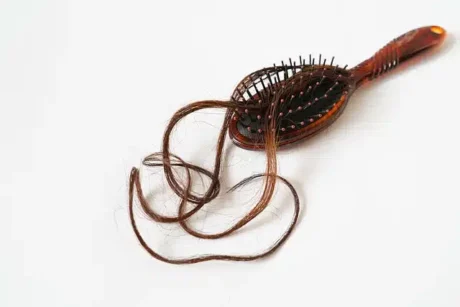
Causes of Hair Loss

Hair loss 5146270 640.jpg

Hair loss, medically known as alopecia, can be caused by a variety of factors, including your inherited genetics and underlying health conditions. But it might also be a sign that your body is out of balance and needs some support.

Common causes of hair loss:

  1. Genetics (Androgenetic Alopecia): The most common cause of hair loss is hereditary and is known as male-pattern baldness or female-pattern baldness. It tends to run in families and usually occurs gradually with age.
  2. Hormonal Changes: Hormonal fluctuations due to factors like pregnancy, childbirth, menopause, and thyroid imbalances can lead to temporary hair loss. Conditions like polycystic ovary syndrome (PCOS) can also contribute.
  1. Medical Conditions: Certain medical conditions and diseases can cause hair loss, such as autoimmune diseases like alopecia areata, which leads to patchy hair loss, and conditions like lupus (SLE) and diabetes.
  2. Medications and Treatments: Some medications and medical treatments can result in hair loss as a side effect. Chemotherapy, radiation therapy, anticoagulants, beta-blockers, and certain antidepressants are examples.
  3. Stress: Significant physical or emotional stress can lead to a temporary shedding of hair, known as telogen effluvium. Hair usually regrows once the stress is managed.
  4. Poor Nutrition: Lack of essential nutrients, particularly protein, vitamins (such as iron, vitamin D, and biotin), can lead to hair loss.

    Nutrition 5326159 1280.jpg

Book a Nutritional Consultation Today
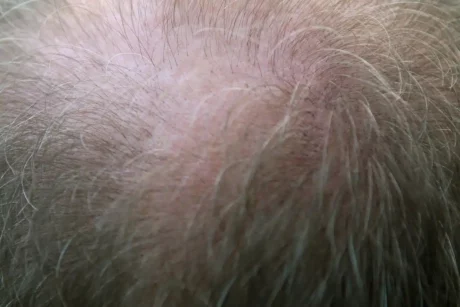
  1. Weight Loss or Rapid Weight Changes: Dramatic weight loss or sudden changes in weight can impact the hair growth cycle, causing temporary hair loss.
  2. Hairstyling and Treatments: Excessive use of harsh hair treatments, such as frequent bleaching, colouring, perming, or using hot styling tools, can damage the hair shaft and lead to breakage.
  3. Age: As people age, the rate of hair growth slows down, and hair can become thinner and more prone to falling out.
  4. Infections: Fungal infections of the scalp, like ringworm, can cause hair loss if left untreated. Contact us if you would like natural solutions to manage these infections.
  5. Immune System Attacks: Conditions where own’s own immune system mistakenly attacks hair follicles, can occur. The most commin is alopecia areata, which results in hair loss.
  6. Chemicals and Toxins: Exposure to certain chemicals and toxins, including some found in water, air, or even hair care products, can lead to hair loss. Unfortunately there is not a reliable method to test hair for a build-up of these, but you can test a sample of your hair for minerals and heavy metals. Find out more here.

Hair loss 1238997 1280.jpg 1

It’s important to note that the specific cause of hair loss can vary from person to person. If you’re experiencing hair loss, especially if it’s sudden or accompanied by other symptoms, it’s recommended to consult a healthcare professional to determine the underlying cause and receive appropriate treatment or management recommendations.

Simple Strategies to Minimise Hair Loss

While some causes of hair loss may be beyond your control, there are several simple tips you can incorporate into your routine to help prevent or minimise hair loss.

Here are some effective strategies:
  1. Healthy Diet: Top of the list is ensuring you are consuming a balanced and nutritious diet rich in vitamins, minerals, and proteins. All are essential for maintaining healthy hair. Include foods like lean and plant-based proteins, fruits, vegetables, whole grains, and nuts.
  2. Stay Hydrated: Drinking enough water supports overall health, including hair health. Proper hydration helps keep your hair moisturised and prevents it from becoming brittle and prone to breakage.
  3. Be Gentle with Your Hair: Your hair care must be gentle to prevent damage. Avoid excessive pulling, tight hairstyles, and harsh treatments like frequent heat styling or chemical treatments.
  4. Use Mild Shampoos: Choose sulphate-free and mild shampoos that won’t strip your hair of its natural oils. Washing your hair too frequently can also lead to dryness and breakage.
  5. Regular Conditioning: Use a good-quality conditioner after shampooing to keep your hair hydrated, smooth, and manageable. When applying the conditioner, spend a minute or two to massage it into your scalp.
  6. Avoid Excessive Brushing: Over-brushing can cause mechanical damage to your hair, leading to breakage. Use a wide-toothed comb to comb your hair through under the shower when it still has conditioner in it.  Use a brush with flexible bristles to gently detangle your hair. Soft bristles have the advantage of massaging your scalp.
  7. Avoid Tight Hairstyles: Wearing tight hairstyles like ponytails or braids can stress the hair shaft and lead to hair breakage. Opt for looser styles that don’t tug on the hair.
  8. Manage Stress: Chronic stress can contribute to hair loss. Engage in stress-reducing activities like exercise, meditation, yoga, and deep breathing to promote overall well-being. Contact us to make a time to meet one of our clinicians. He/she will help you develop strategies to manage stress and minimise the effect of it on your body.
  9. Regular Exercise: Physical activity improves blood circulation, which in turn can benefit the hair follicles by ensuring they receive a sufficient supply of nutrients.
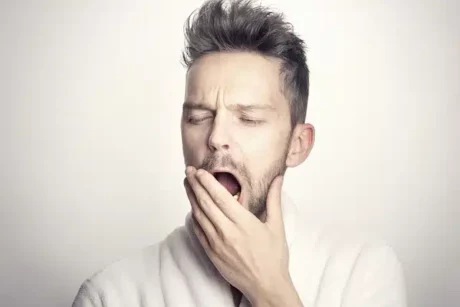
  10. Get Adequate Sleep: Sleep is crucial for overall health, including hair health. Aim for 7-9 hours of quality sleep each night.

tired man 5522892 640.jpg

  1. Specific Dietary Supplements: We recommend you consult a healthcare professional before taking any supplements, but certain vitamins and minerals like biotin, vitamin D, and iron are associated with healthy hair growth.
  2. Scalp Care: Keep your scalp clean and well-maintained. Regular scalp massages can help improve blood circulation and stimulate hair follicles.
  3. Regular application of Rosemary essential oil scalp treatment: Click here to read more about rosemary essential oil to help halt hair loss.
  4. Consult a Professional: If you notice excessive hair shedding or thinning, consult a healthcare professional to identify the underlying cause and receive appropriate guidance.

Remember, consistent and gentle care, combined with a healthy lifestyle, can go a long way in maintaining the health of your hair and minimising the risk of hair loss.

girl with hair field of wheat 5963735 1280.jpg

Book a Nutritional Consultation Today

Related Products

-13%
Sweet Basil Essential Oil. 100% Pure Organic 5mL
Add to cart
Original price was: $20.75.Current price is: $17.95.
-13%
Bay Leaf Essential Oil. 100% Pure Organic 10mL
Add to cart
Original price was: $34.56.Current price is: $30.05.
-13%
Benzoin Essential Oil. 100% Wild Grown 10mL
Add to cart
Original price was: $15.38.Current price is: $13.35.
-13%
Out of stock
Bergamot Cold Pressed Oil. 100% Pure Organic  10mL
Read more
Original price was: $26.55.Current price is: $23.10.
-13%
Black Pepper Essential Oil. 100% Pure Organic  10mL
Add to cart
Original price was: $17.11.Current price is: $14.90.
-13%
Calendula CO2 extract. Pure Organic 25% Blend, 5mL
Add to cart
Original price was: $12.95.Current price is: $11.25.
SHARE POST:

CATEGORIES

SEARCH

Related Posts

Bones, Joints & Muscles
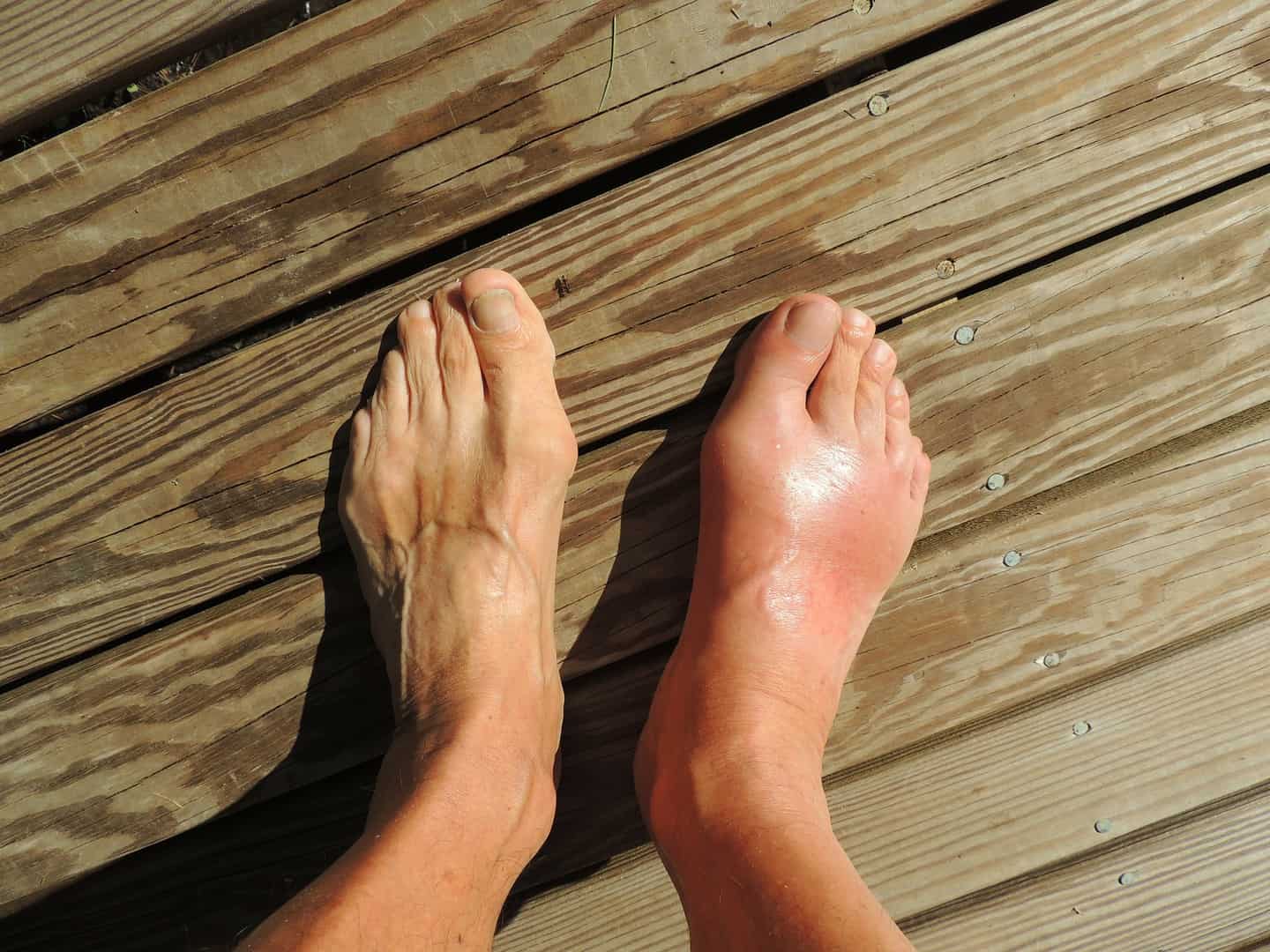
Gout is the most common form of inflammatory arthritis in men greater than 40 years of age. Women may develop gout later in life, and in women it is more likely to involve the upper extremities. People with gout, a form of arthritis, or specific types of kidney stone, are advised to avoid foods high in a natural compound called purines to help lower blood levels of uric acid. High purine foods can raise uric acid levels in the body. You do not need to avoid all foods with purines, only those highest in purines and control your intake of
Womens Health
The menstrual cycle is more than just a monthly occurrence—it’s a key indicator of overall health. Understanding how the cycle works, what’s normal, and when something might be off can help identify changes in your reproductive health. Each cycle involves a complex interaction of hormones that prepares the body for a potential pregnancy. But periods aren’t just about fertility; they can also highlight conditions like fibroids, endometriosis, or hormonal imbalances. This article breaks down the basics of the menstrual cycle, signs to watch for, and what happens during the transition to menopause, when periods come to an end.

get in touch

About Us Contact
Agreement
Subscription
Receive the latest news

Subscribe To Our Newsletter!

Stay informed: Get expert tips, free advice, updates, recipes, and special offers delivered straight to your inbox.